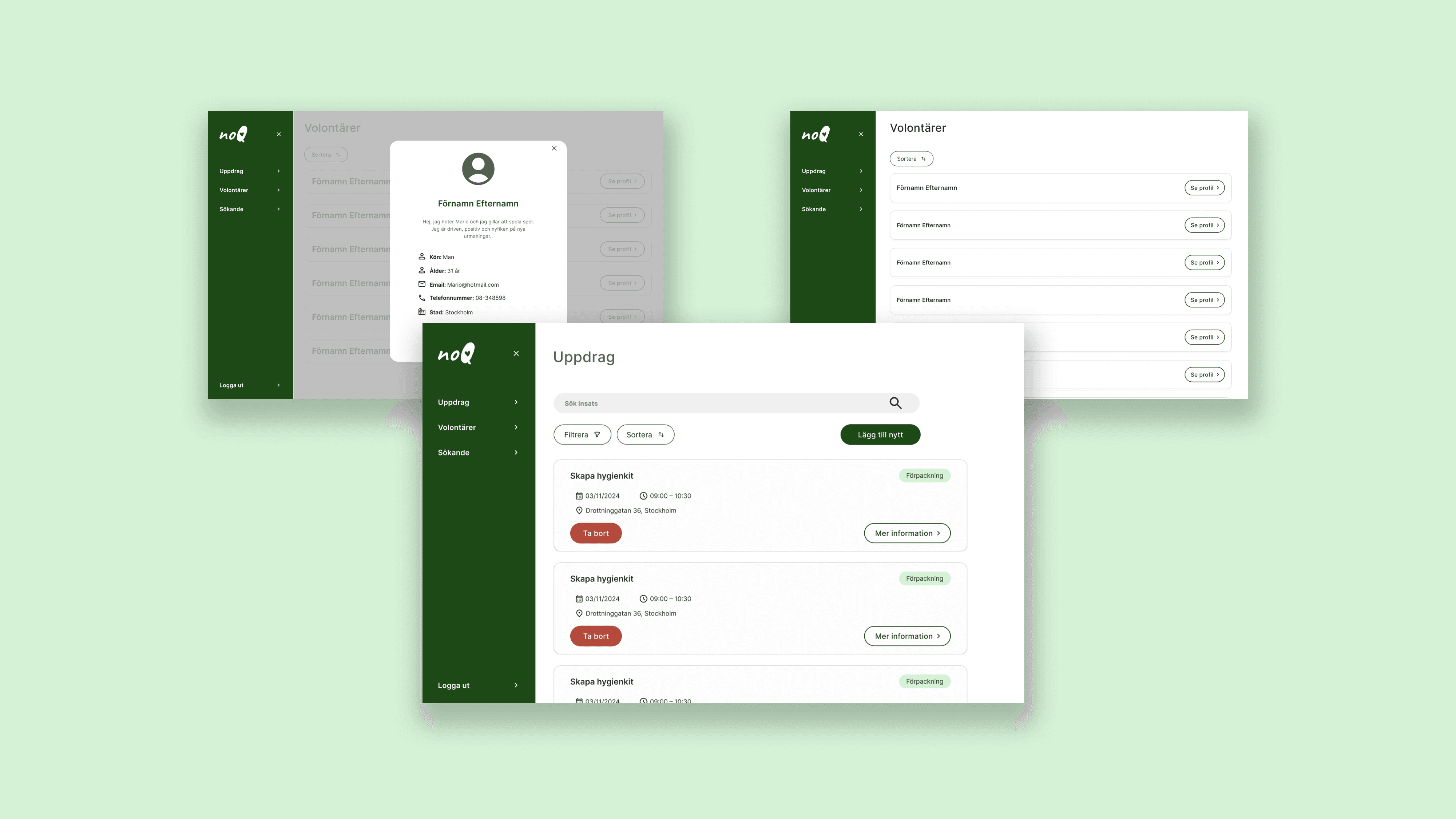
NoQ is a non-profit tech organization building digital tools that connect volunteers with NGOs and volunteer opportunities. The product includes a volunteer-facing app and an admin interface for organizations to publish and manage roles.
The project operated with limited resources, evolving scope, and low initial design maturity.
I worked as Design Owner, responsible for overall design direction, UX quality, accessibility, and design decisions across the product.
I owned:
design principles and UX rules
UI and interaction decisions
accessibility standards
component and design system structure
design priorities and scope decisions
Figma structure and libraries
Design owner
Problems I stepped into:
No design system
No accessibility guidelines
Inconsistent UI decisions
Unclear UX direction
Low design experience in the team
Shifting product priorities
The team needed clear structure, shared rules, and faster decisions.
What I implemented:
Design system
Created the first component structure and reusable UI patterns to ensure consistency and reduce rework.
Design principles & guidelines
Defined simple, practical design rules so the team could make consistent decisions.
Accessibility
Made accessibility part of core design decisions not something added later.
Design workflow
Organised Figma files, components, and review routines so multiple designers could work efficiently.
Feature scope control
Helped remove or delay low-value features to keep the product simpler and more usable.
Key product decisions:
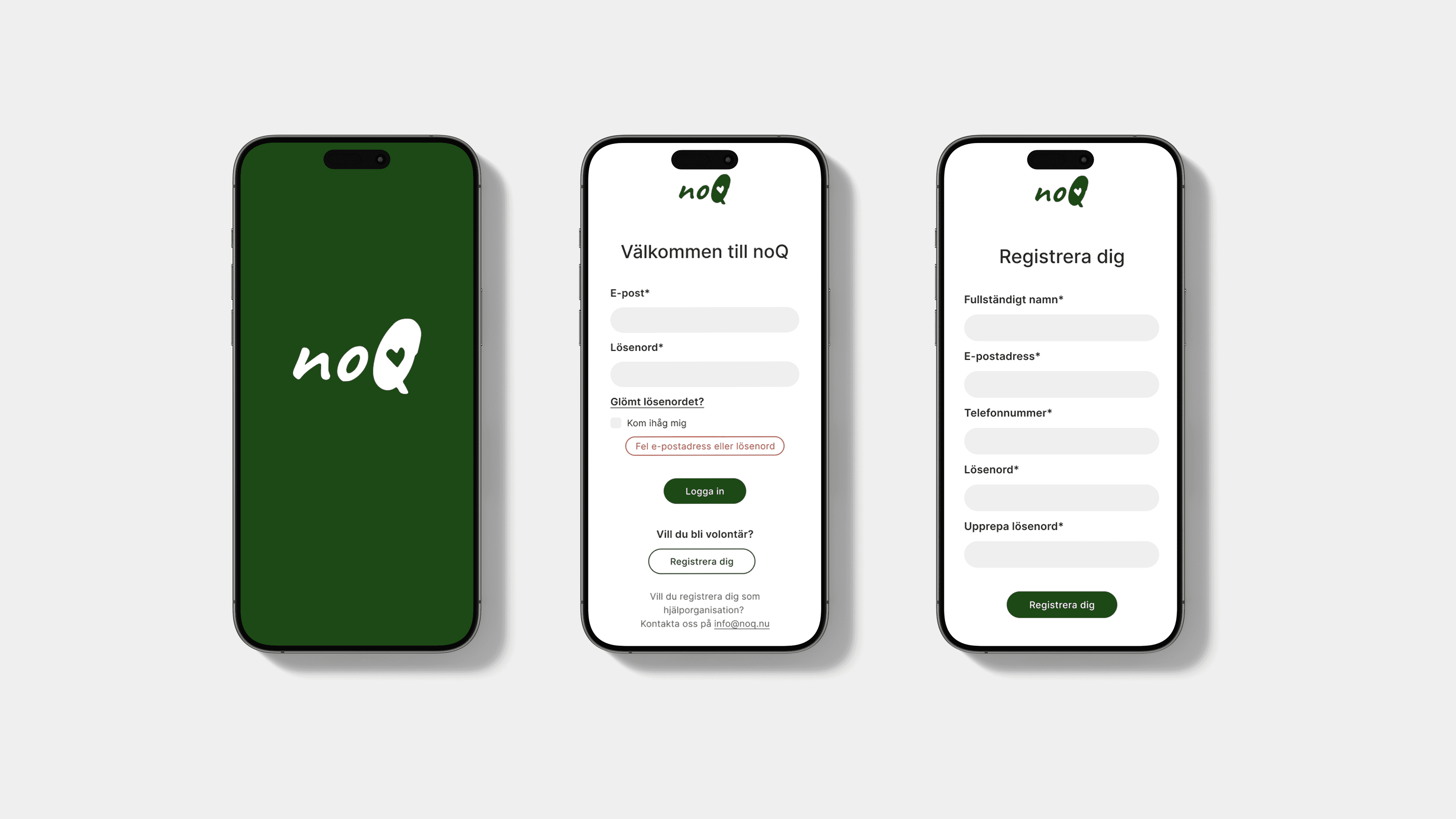
Prioritised usability and accessibility over adding more features
Simplified complex screens to lower cognitive load
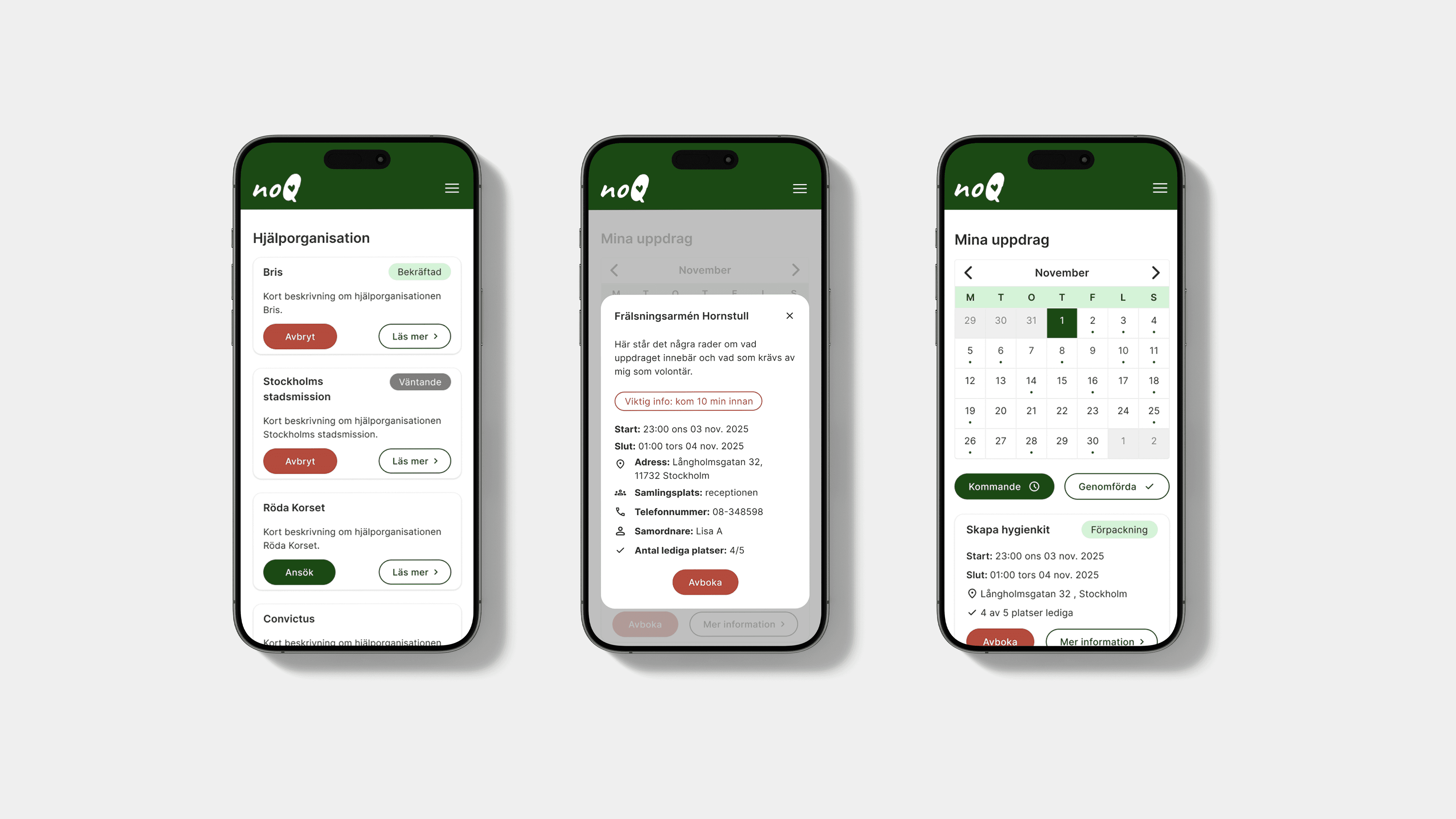
Designed for real-world mobile use (outdoors, stress, time pressure)
Standardised button sizes, text sizes, and contrast levels
Clarified calendar and location views for volunteer assignments
Accessibility Impact
layout density
button and text size
color contrast
navigation patterns
information hierarchy
This improved usability for users in demanding situations and with different cognitive and physical needs.
Collaboration & leadership:
coached 2 UX designers
ran weekly design reviews
held team workshops
gave clear design direction and decisions
reduced uncertainty in the design process
Outcomes:
more consistent UI and interaction patterns
clearer and faster design decisions
fewer redesign cycles
shared design standards across the team
stronger accessibility baseline
structured design foundation built from scratch
Deliverables:
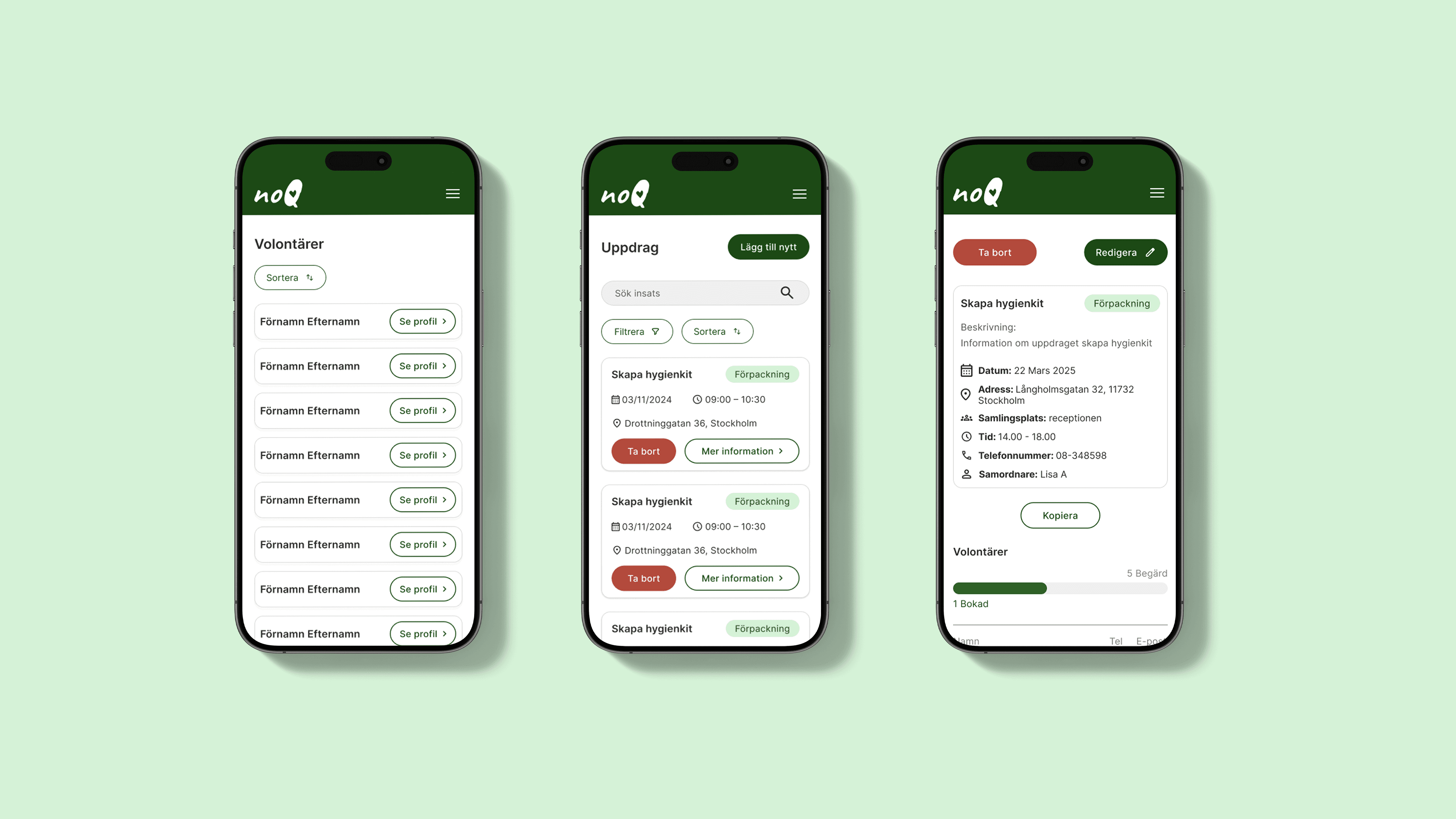
high-fidelity product prototype
component and design system foundation
accessibility and UX guidelines
structured Figma workspace for team use